


CATEGORIES
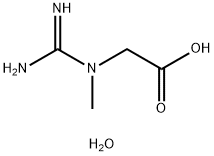
Creatine monohydrate
MF: C4H11N3O3
MW: 149.15
CAS: 6020-87-7




grade
synthesis grade
Quality Level
form
powder
autoignition temp.
>800 °C
pH
6.9 (20 °C, 10 g/L in H2O)
mp
296-297 °C (decomposition)
solubility
17 g/L
storage temp.
2-30°C
SMILES string
N(CC(=O)O)(C)C(=N[H])N.O
InChI
1S/C4H9N3O2.H2O/c1-7(4(5)6)2-3(8)9;/h2H2,1H3,(H3,5,6)(H,8,9);1H2
Creatine in the human body is formed from amino acids through a chemical process in the liver. It is then transported from the blood to muscle cells, where it is converted into creatine salts. Human muscle movement relies on the breakdown of adenosine triphosphate (ATP) for energy. Creatine can automatically regulate the amount of water entering the muscles, causing muscle cross-section expansion and thus increasing muscle explosive power.
Applications
Biochemical research; Product description: Pharmaceutical raw material and health product additive. It can inhibit the production of muscle fatigue factors, reduce fatigue and tension, restore physical strength, accelerate human protein synthesis, make muscles stronger, enhance muscle elasticity, lower cholesterol, blood lipids, and blood sugar levels, improve muscular atrophy in middle-aged and elderly people, and delay aging; creatine monohydrate is widely used in food, beverages, additives, etc. Pharmaceutical raw material and health product additive. It can inhibit the production of muscle fatigue factors, reduce fatigue and tension, restore physical strength, accelerate human protein synthesis, make muscles stronger, enhance muscle elasticity, lower cholesterol, blood lipids, and blood sugar levels, improve muscular atrophy in middle-aged and elderly people, and delay aging.
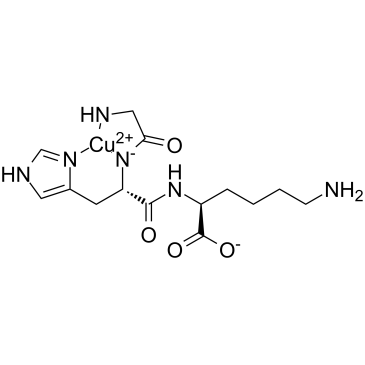
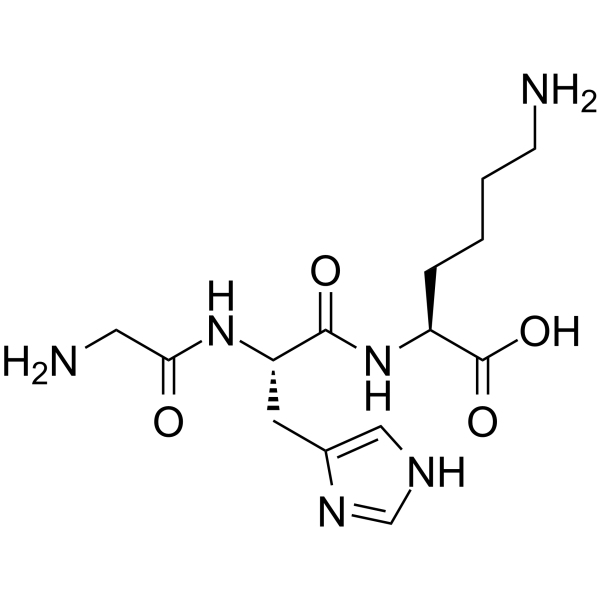
 Copper tripeptide
 SLU-PP-332
 Copper Peptide
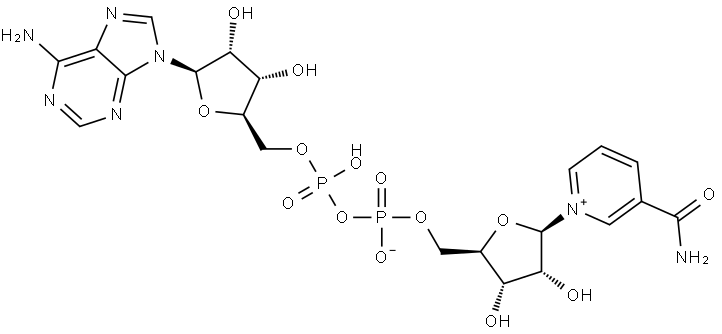
 β-Nicotinamide adenine dinucleotide
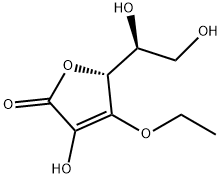
 3-O-Ethyl-L-ascorbic acid
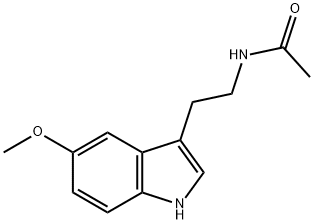
 Melatonine
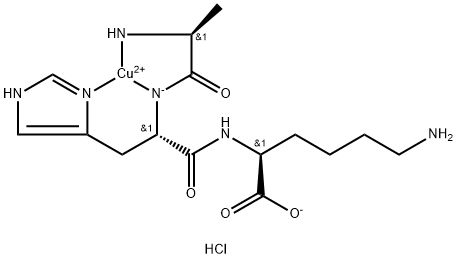
 AHK-Cu
 peptides
 Acetyl hexapeptide 38
 (human)") Amyloid β-Peptide (1-42) (human)
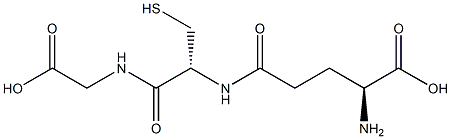
Amyloid β-Peptide (1-42) (human) Glutathione
 DEOXYRIBONUCLEIC ACID


CONTACT US
Please use the form below to get in touch.
If you need a reply we will get in touch as soon as possible.